
Introduction: Why Fish Fillet Is a Global Favorite
Fish fillet is one of the most loved dishes around the world — and for good reason. It’s light, flaky, and bursting with flavor. Whether you’re grilling, baking, frying, or steaming, a well-prepared fish fillet can transform an ordinary meal into a gourmet experience. Its delicate texture and mild taste make it a blank canvas for countless flavor combinations.
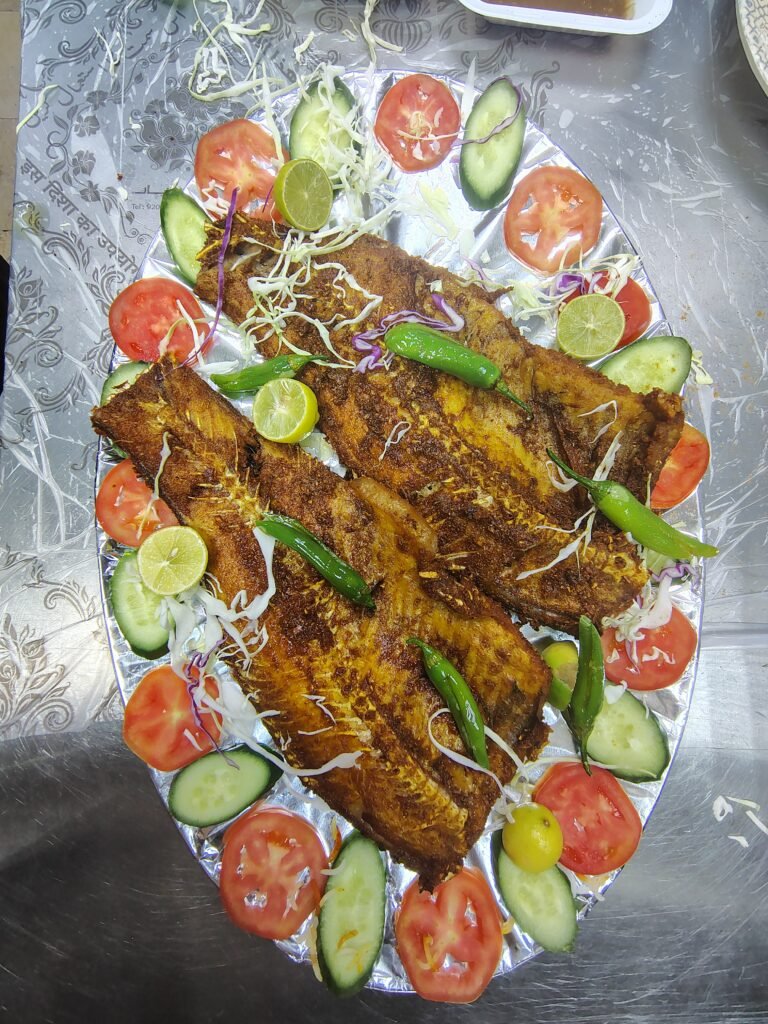
Beyond taste, fish fillets are also packed with health benefits. They’re rich in protein, omega-3 fatty acids, and essential vitamins, making them a staple in many healthy diets. From home kitchens to five-star restaurants, the versatility of fish fillet recipes has captured the hearts (and taste buds) of millions.
Understanding Fish Fillet: What Makes It Special
What Is a Fish Fillet?
A fish fillet is a piece of fish meat that has been cut away from the bone, cleaned, and trimmed, ready for cooking. Filleting removes the bones and skin (though sometimes skin is left on for texture), giving you a tender, boneless portion that cooks quickly and evenly.
Types of Fish Commonly Used for Fillets
Some of the most popular choices for fish fillets include:
- Salmon: Rich in omega-3 and perfect for grilling.
- Tilapia: Mild flavor, ideal for frying or baking.
- Cod: Flaky and light, great for crispy fish fillet recipes.
- Snapper and Halibut: Firm texture, suitable for pan-searing.
- Tuna and Mahi Mahi: Best for grilling and Asian-style dishes.
Nutritional Value of Fish Fillets
Fish fillet isn’t just delicious — it’s nutritious too. A 100g serving of cooked fish fillet provides:
- Around 22g of protein
- Less than 3g of fat
- Rich in vitamin D, B12, and selenium
- Excellent source of omega-3 fatty acids, which promote heart and brain health
How to Choose the Perfect Fish Fillet
Fresh vs. Frozen Fillets: Which Is Better?
Both have their merits!
- Fresh fish fillet offers superior taste and texture, but spoils quickly.
- Frozen fillet maintains nutrition if frozen properly and is often more affordable and accessible.
When buying frozen fish, check for ice crystals (a sign of thawing and refreezing) — avoid those.
Tips for Buying High-Quality Fish Fillet
- Look for Bright, Firm Flesh – It should bounce back when pressed.
- Check the Smell – Fresh fish smells like the ocean, not “fishy.”
- Inspect Packaging – Ensure there’s no excess liquid or ice burn.
- Buy from Reputable Sellers – Quality and freshness are key.
Essential Ingredients and Tools for Cooking Fish Fillet
When it comes to cooking a perfect fish fillet, having the right ingredients and tools makes all the difference. A few small tweaks in preparation can elevate your dish from ordinary to outstanding.
Must-Have Kitchen Tools
To prepare and cook fish fillets efficiently, ensure you have these essentials:
- Non-stick skillet or grill pan: For searing without sticking.
- Sharp fillet knife: Ensures smooth, clean cuts.
- Fish spatula: Helps flip the fillet without breaking it.
- Baking sheet & parchment paper: Perfect for oven-baked recipes.
- Thermometer: To ensure the fish reaches the ideal internal temperature of 145°F (63°C).
Spices and Herbs That Complement Fish Fillet
Fish fillet has a mild flavor that pairs beautifully with aromatic herbs and spices.
Some excellent options include:
- Garlic & Lemon: The classic combination that enhances any fish.
- Paprika & Cayenne Pepper: Adds color and a gentle heat.
- Parsley, Dill & Basil: Fresh herbs that give brightness and balance.
- Thyme & Rosemary: Ideal for baked or grilled fish fillet.
- Butter & Olive Oil: The perfect fats for moisture and flavor.
Top 10 Fish Fillet Recipes You’ll Love
Let’s explore some of the most delicious and easy-to-make fish fillet recipes that cater to every craving — from light and zesty to creamy and indulgent.
1. Crispy Pan-Seared Fish Fillet
- Best for: Quick dinners and crispy texture lovers.
- How to make: Pat your fish fillet dry, season with salt and pepper, then pan-sear in olive oil until golden brown. Serve with lemon wedges for a fresh finish.
2. Garlic Butter Lemon Fish Fillet
- Flavor profile: Rich, tangy, and aromatic.
- Melt butter in a skillet, add minced garlic, and sauté. Add lemon juice, then cook the fillet until flaky. Top with parsley and serve with rice or mashed potatoes.
3. Baked Fish Fillet with Herbs
- Healthiest option: Uses minimal oil.
- Season the fillet with olive oil, herbs, and lemon slices, then bake at 375°F (190°C) for 15–20 minutes. Perfectly light and flaky.
4. Asian-Style Soy Glazed Fish Fillet
- Inspired by: Japanese flavors.
- Combine soy sauce, ginger, honey, and sesame oil to make a glaze. Brush over fish fillet and bake or grill until caramelized and glossy.
5. Creamy Mushroom Fish Fillet
- Sauté mushrooms in butter, add cream and garlic, then pour over a seared fish fillet. Garnish with fresh thyme for a luxurious, restaurant-style meal.
6. Grilled Fish Fillet with Mango Salsa
- A tropical favorite!
- Grill seasoned fish fillets and top with a salsa made from diced mango, onion, cilantro, and lime juice. A burst of color and freshness in every bite.
7. Spicy Cajun Fish Fillet
- Rub fillets with Cajun spices and sear in butter for a smoky, spicy kick. Pairs wonderfully with corn salad or coleslaw.
8. Fish Fillet Tacos
- Wrap crispy fish fillets in soft tortillas with lettuce, avocado, and creamy mayo dressing. Add a squeeze of lime for that perfect tang.
9. Fish Fillet Sandwich
- A fast-food favorite reinvented!
- Sandwich a golden, crispy fish fillet between toasted buns with tartar sauce and lettuce. Great for lunch or dinner.
10. Fish Fillet in Tomato Basil Sauce
- Simmer fish fillets in a tomato sauce infused with garlic and basil. Serve over spaghetti or rice for an Italian-inspired delight.
Expert Cooking Tips for the Perfect Fish Fillet
How to Prevent Overcooking
Overcooked fish fillet becomes dry and chewy. To avoid this:
- Cook until the flesh is opaque and flakes easily with a fork.
- Follow the 10-minute rule: cook fish for 10 minutes per inch of thickness.
- Remove from heat a minute early — residual heat continues to cook it.
How to Achieve Crispy Skin
If your fillet has skin:
- Dry it completely with paper towels.
- Place it skin-side down on a hot pan with oil.
- Press gently for the first minute to keep it flat.
The result? Crispy, golden perfection.
Health Benefits of Eating Fish Fillet
Heart Health and Omega-3 Fatty Acids
Fish fillets, especially from salmon, mackerel, and tuna, are rich in omega-3 fatty acids, which support cardiovascular health by reducing inflammation and improving cholesterol levels.
Protein Power and Muscle Growth
A single serving of fish fillet provides over 20 grams of lean protein, making it ideal for athletes and anyone aiming for muscle growth without excess fat.
Vitamins and Minerals Boost
Fish fillets are high in:
- Vitamin D for bone strength
- Vitamin B12 for brain health
- Selenium & Iodine for a strong immune system
Regular consumption contributes to improved energy, focus, and overall wellness.
Common Mistakes to Avoid When Cooking Fish Fillet
- Not drying the fillet properly leads to steaming instead of searing.
- Using too much oil makes the texture greasy.
- Flipping too often causes the fillet to break apart.
- Skipping seasoning fish needs flavor to shine.
- Overcrowding the pan lowers the temperature and prevents crisping.
Best Side Dishes to Serve with Fish Fillet
Pair your fish fillet with sides that balance its light texture:
- Garlic mashed potatoes
- Steamed vegetables (broccoli, asparagus, green beans)
- Rice pilaf or lemon couscous
- Fresh salads with vinaigrette
- Grilled corn on the cob
These sides complement both fried and baked fillet styles beautifully.
FAQs About Fish Fillet
1. What is the best fish to use for fillets?
Cod, tilapia, salmon, halibut, and snapper are among the best due to their texture and flavor.
2. Can I use frozen fish fillet for recipes?
Yes, as long as it’s properly thawed and free of excess moisture. Frozen fillets often retain their nutrients well.
3. How do I know when my fish fillet is done?
When the fish flakes easily with a fork and turns opaque, it’s perfectly cooked. Use a thermometer to check for 145°F (63°C).
4. Is a fish fillet healthy for weight loss?
Absolutely! It’s low in calories, high in protein, and rich in omega-3s — perfect for maintaining a healthy diet.
5. What are the best sauces for fish fillet?
Tartar sauce, lemon butter, garlic cream, and dill yogurt sauce are excellent choices.
6. How can I store leftover fish fillet?
Refrigerate in an airtight container for up to 2 days. Reheat gently to retain moisture.
Conclusion: Enjoying the Art of Fish Fillet Cooking
Cooking fish fillet is an art that combines simplicity, skill, and creativity. Whether you’re preparing a crispy fried version or a light, herb-infused baked fillet, each recipe offers something unique. With the right ingredients and a bit of practice, anyone can master the perfect fish fillet at home.
So the next time you crave something healthy yet flavorful, grab your favorite fish, season it to perfection, and enjoy a dish that’s as good for your body as it is for your taste buds.